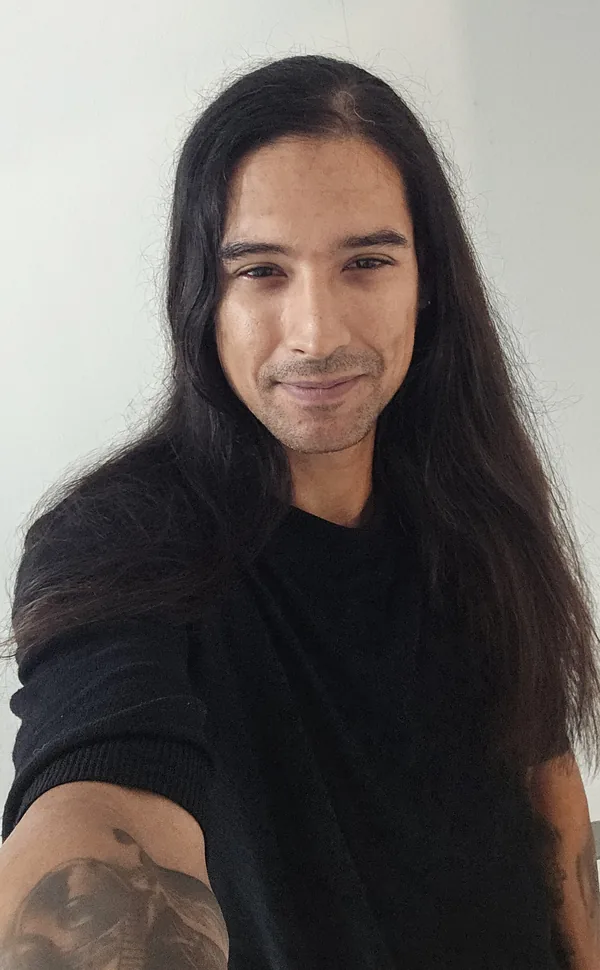
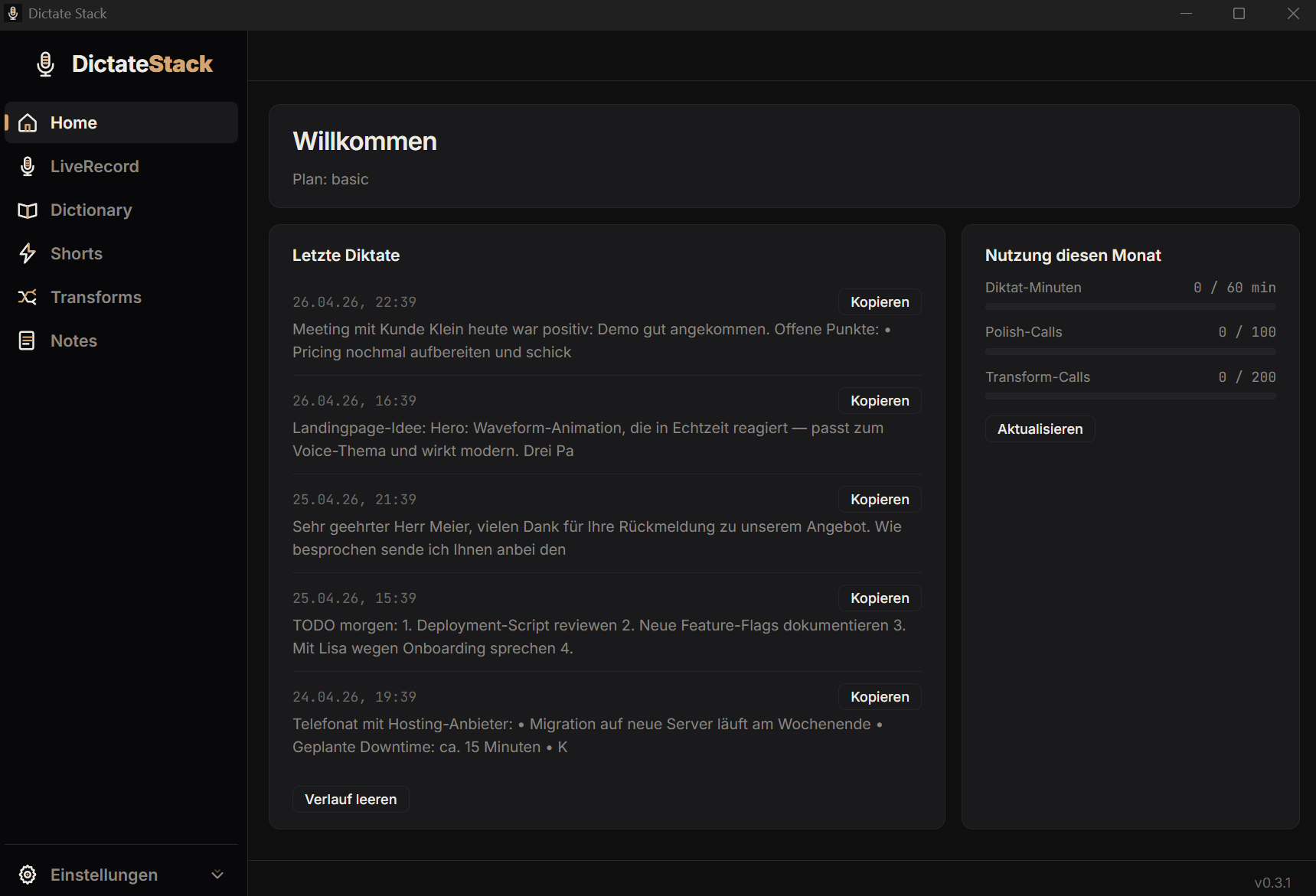
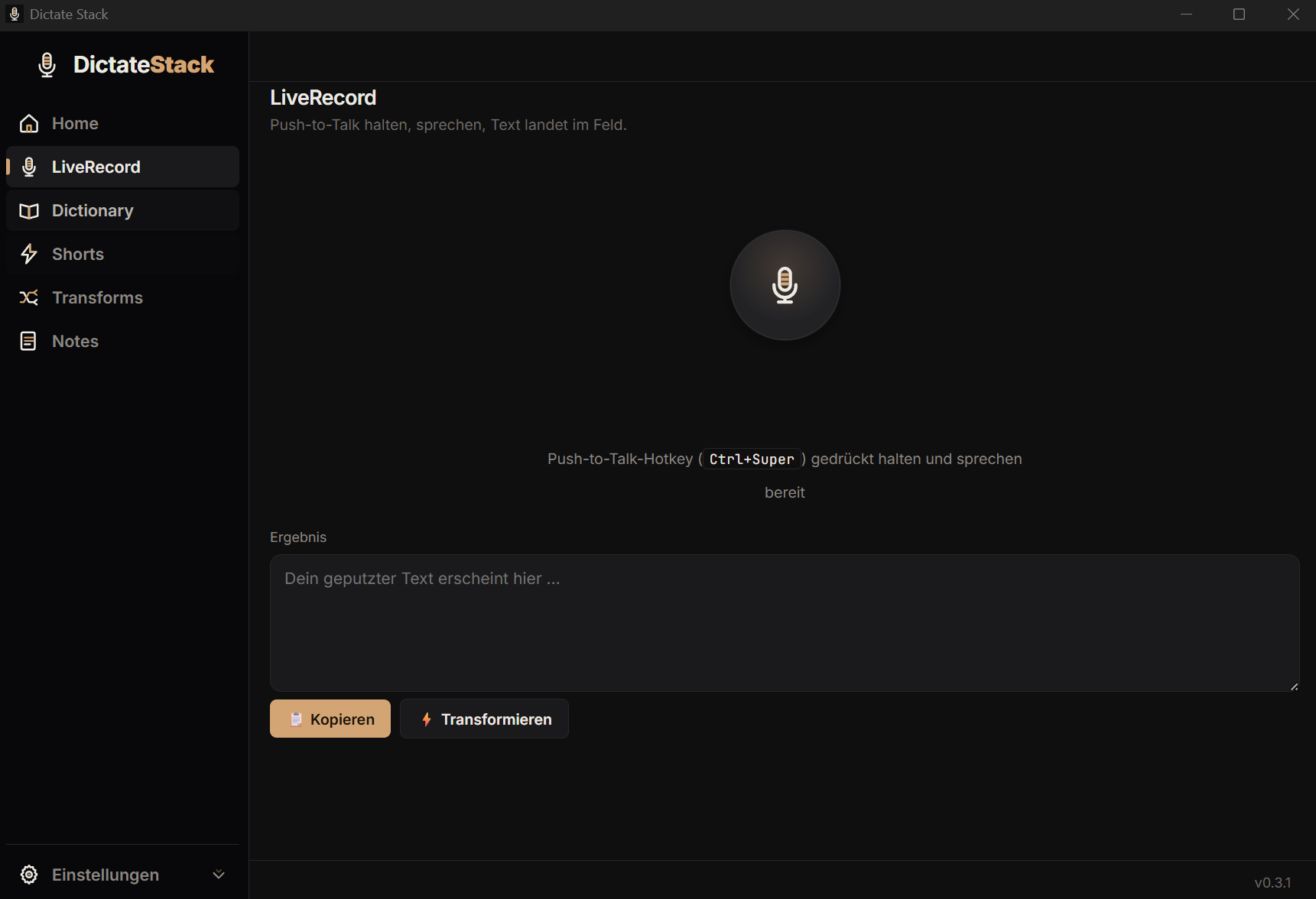
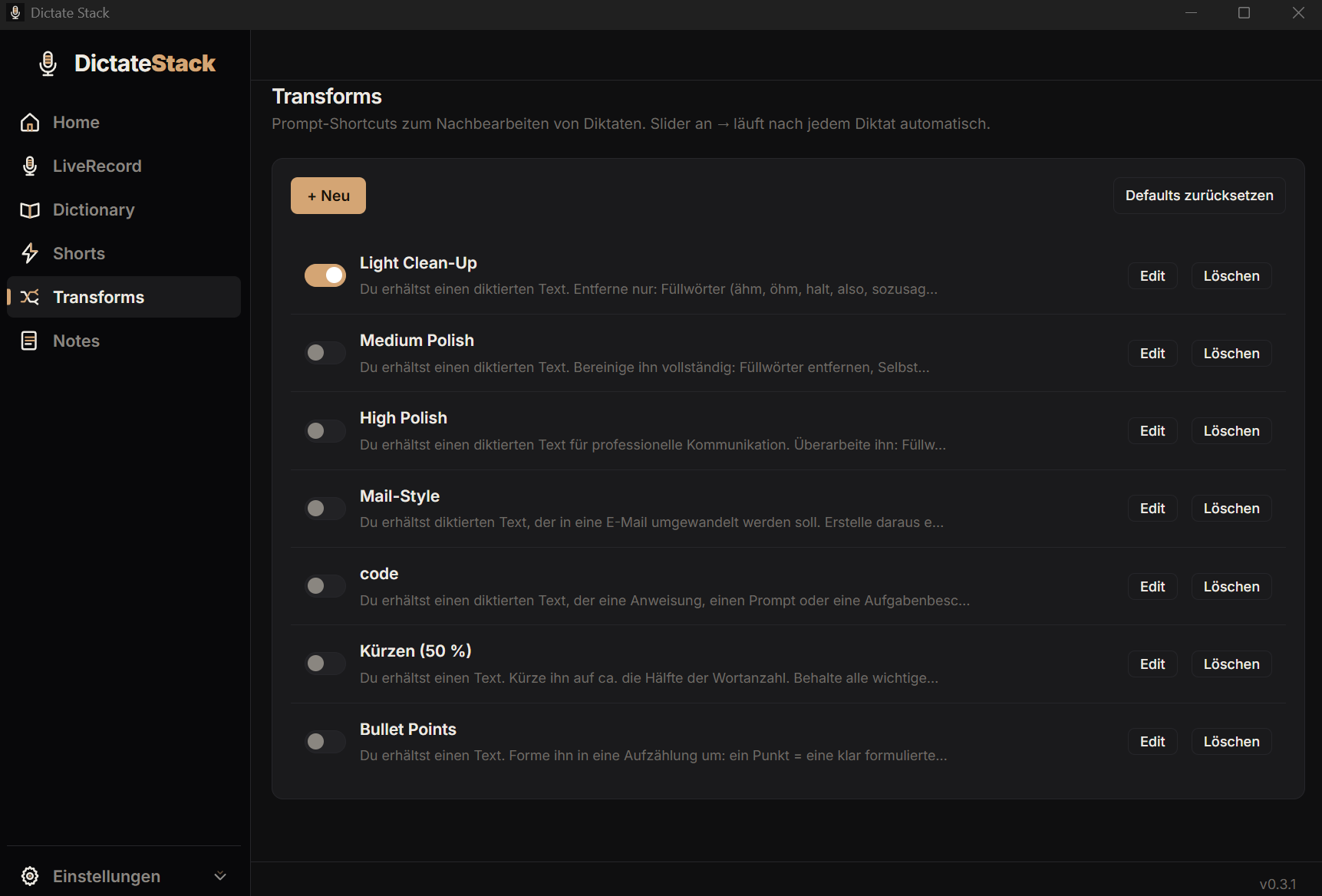
I am Nawinn, born 1984, based near Frankfurt am Main. I took my first PC apart as a child and started programming at sixteen. Professionally: 8 years as an application developer and server administrator across four IT companies — ICOM Computer (where I learned the fundamentals), CPC-IT, SDS Informationstechnik and a continuing-education center.
Stack back then: C#, C++, Java, HTML/CSS, JavaScript, interface programming (SOAP, XML, legacy protocols), Windows servers, Linux backend configuration, network setup. Not just code — also the infrastructure the code runs on.
Between 2011 and 2024 I worked outside of IT — but programming never went away. A steady stream of tools for personal use: IP scanners for the home network, RAM-dump utilities, WSL cloning scripts, backup automation, a home-lab and CPU monitor, a Wake-on-LAN utility and a server-monitoring bot. In parallel I followed the technical shifts closely: own VPS in Germany as a serious AWS alternative, local LLMs like Mistral Small 3.1, Astro, Flutter. Decisions that are my core stack today.
Since 2025 I work full-time as a developer again — with modern AI coding assistants as a constant co-pilot in the development workflow. Not a gimmick: a fundamentally different working mode. The AI takes boilerplate and typing overhead off my plate; architecture and judgement stay with me. Concretely: this website, a full Django backend with auth and multi-tenant logic, a Flutter app with iOS/Android builds — each in weeks instead of months.
Why "workshop"? Because software is a craft. Every project has its particularities. No industrial "sprint cycles" for one-person engagements — instead considered work steps, clean documentation, traceable decisions.
Why "stackschmiede"? Because I cover the full stack — from server setup to UI. Backend, frontend, infrastructure, increasingly AI integration with local models. A small developer network stands behind me for holiday cover and emergency backup.
Why I do this
I find it absurd how routinely personal data gets handed over today — geo-locations, contact graphs, photo content, payments, background profiling. This data feeds AI models that are increasingly deciding things about us: insurance rates, credit scores, maybe tomorrow's job ratings.
My answer: privately I have moved to my own solutions wherever possible. Own photo server, own drive, own messenger, local AI, own banking aggregation. Exactly those solutions I now offer to others. Cloud-exit is not abstinence — it is a different architecture.
Pilot slots 2026 — 3 to 5 places
For the first 3–5 reference projects I deliberately offer pilot terms: reduced fixed price in exchange for public reference mention after project end. Client internals stay confidential (NDA standard); only what you release gets referenced. After that, regular rates. Win-win: experienced full-stack work below market price, visible portfolio for me.
Side note — no social media: You will not find me on Instagram, Facebook, X or TikTok. Deliberate — for exactly the reasons you read on this site. Reachable by email, by phone (on request) and via my
GitHub profile.